
Yale Forklift Owners Manual: A Comprehensive Guide
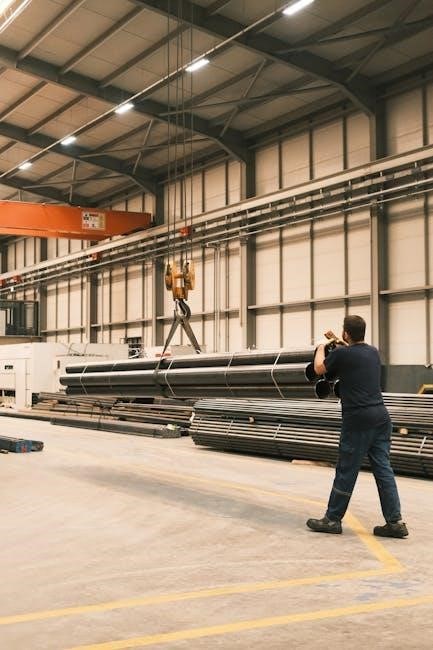
Navigating Yale forklift operation and upkeep requires a dedicated resource. This guide provides essential information, encompassing safety, maintenance, and troubleshooting.

It’s designed for optimal performance and longevity of your Yale equipment, ensuring efficient warehouse operations and minimizing downtime.
Yale Materials Handling Corporation boasts a rich history spanning over 140 years, establishing itself as a global leader in the material handling industry. Originating as a pioneer in forklift technology, Yale has consistently delivered reliable, high-productivity solutions, coupled with a steadfast commitment to innovation. From its humble beginnings, Yale evolved into a full-fledged European market player since 1934, launching its first forklift production facility in Great Britain.
Today, Yale forklifts are renowned for their durability, efficiency, and advanced features. They cater to a diverse range of applications, from warehousing and distribution to manufacturing and retail. The company’s dedication to quality and customer satisfaction has cemented its reputation as a trusted partner for businesses worldwide. Understanding the intricacies of your Yale forklift, however, begins with a thorough grasp of its operational guidelines and maintenance requirements – a purpose served by this comprehensive owner’s manual.
Understanding the Importance of the Owners Manual
Your Yale forklift owner’s manual is far more than just a collection of pages; it’s a critical resource for ensuring safe, efficient, and long-lasting operation of your investment. It provides detailed instructions on proper usage, preventative maintenance, and troubleshooting procedures, minimizing the risk of accidents and costly repairs. Ignoring the manual can lead to operator errors, equipment damage, and voided warranties.
Specifically, the manual details essential safety precautions, daily inspection checklists, and routine maintenance schedules. It also explains how to interpret error codes (DTCs) and navigate electrical wiring diagrams – vital for diagnosing and resolving technical issues. Accessing a factory original dealership manual, whether in print or PDF format, guarantees accurate and up-to-date information. Utilizing this guide empowers operators and maintenance personnel to maximize the forklift’s performance and uphold Yale’s renowned standards of reliability.
Locating Your Yale Forklift Manual
Finding the correct Yale forklift manual is the first step towards responsible ownership. Initially, check the documentation that accompanied your forklift upon purchase – a physical copy is often included. If you’ve misplaced it, numerous online resources offer downloadable PDF versions. Websites like ForkliftManuals.com specialize in factory original manuals, providing operator, service, parts, and electrical wiring diagrams.
When searching online, it’s crucial to have your forklift’s model number readily available. This ensures you download the manual specific to your machine. Many dealerships also offer manuals for download or purchase. Be cautious of unofficial sources, as accuracy can vary. Prioritize obtaining a factory-issued manual to guarantee reliable information. DIY Repair Manuals is another online superstore offering a huge inventory of manuals. Remember, a readily accessible manual is a cornerstone of safe and efficient forklift operation and maintenance.
Decoding Yale Forklift Model Numbers
Yale forklift model numbers are complex codes containing vital information about your machine. Understanding this code unlocks access to the correct parts, service procedures, and documentation. Typically, the number begins with a series prefix indicating the forklift’s generation or design series. Following this are digits denoting capacity, mast type, and fuel source – electric, gas, or diesel.

Further digits specify features like tire type, attachments, and special configurations. For instance, a number might indicate a specific lift height or fork length. This detailed coding system allows Yale and its dealers to precisely identify each forklift. Knowing your model number is essential when ordering parts, requesting service, or downloading the correct owner’s or service manual. Refer to your forklift’s data plate, usually located on the frame, to find this crucial identifier. Accurate decoding ensures compatibility and proper maintenance.
Safety Precautions and Operating Instructions
Prioritizing safety is paramount when operating a Yale forklift. Always conduct a thorough pre-operation inspection, checking for fluid leaks, tire condition, and functional safety devices like horns and lights. Ensure the load is within the forklift’s capacity and properly secured before lifting. Operate at a safe speed, adjusting to conditions and avoiding sudden stops or turns.
Maintain a clear view of the travel path and be aware of pedestrians. Never allow passengers on the forklift. When lifting or lowering loads, avoid abrupt movements and ensure stability. Familiarize yourself with the forklift’s controls, including steering, lifting, tilting, and braking systems. Always follow the manufacturer’s recommended operating procedures. Proper training and adherence to safety guidelines are crucial for preventing accidents and ensuring a safe working environment. Regular safety refresher courses are highly recommended.
Daily Inspection Checklist
A comprehensive daily inspection is vital for maintaining Yale forklift reliability and safety. Begin by checking fluid levels – engine oil, coolant, hydraulic fluid, and brake fluid – topping up as needed. Inspect the tires for wear, damage, and proper inflation. Examine the forks for cracks or bends, ensuring they are securely mounted.
Test the horn, lights (headlights, taillights, and warning lights), and backup alarm functionality. Verify the operation of the steering system, brakes, and lifting mechanisms. Check the safety devices, including the seatbelt and overhead guard, for proper function and security. Look for any visible leaks or damage to hoses, cylinders, and fittings. Document any findings and report any issues immediately for prompt repair; Consistent adherence to this checklist minimizes downtime and promotes a safe operating environment.
Routine Maintenance Schedules
Establishing a routine maintenance schedule is paramount for extending the lifespan and ensuring the peak performance of your Yale forklift. These schedules, typically based on operating hours or calendar intervals, encompass a range of preventative measures.

Key components include regular oil and filter changes, coolant flushes, and hydraulic system inspections. Periodic checks of the mast, chains, and lifting mechanisms are crucial. Battery maintenance (for electric forklifts) requires regular inspections for corrosion and proper electrolyte levels. Internal combustion engines necessitate spark plug replacements, air filter changes, and fuel system servicing. Adhering to the manufacturer’s recommended intervals, detailed in the service manual, prevents costly repairs and maximizes operational efficiency. Proactive maintenance minimizes downtime and safeguards your investment, ensuring continued reliability and safety.
Fluid Level Checks and Top-Ups
Maintaining correct fluid levels is fundamental to Yale forklift operation, preventing damage and ensuring optimal performance. Regularly check engine oil, coolant, hydraulic fluid, brake fluid, and power steering fluid (if applicable). Locate the dipsticks or reservoir markings for accurate readings, always performing checks on a level surface with the forklift shut off.
Top up fluids as needed, using the manufacturer-specified type and grade. Low fluid levels can lead to overheating, reduced hydraulic efficiency, and brake failure. Inspect for leaks around hoses, fittings, and seals, addressing any issues promptly. Proper fluid management extends component life, minimizes wear and tear, and contributes to overall safety. Refer to your owner’s manual for specific fluid capacities and recommended maintenance intervals. Consistent monitoring and timely top-ups are essential preventative measures.

Battery Maintenance (Electric Forklifts)
Electric Yale forklifts rely on battery health for consistent operation. Regular maintenance extends battery life and prevents costly replacements. Always wear appropriate personal protective equipment – gloves and eye protection – when handling batteries, as they contain corrosive acid. Inspect battery connections for corrosion, cleaning them with a baking soda solution if necessary.
Ensure proper water levels in each cell, using distilled water only. Overfilling or underfilling can damage the battery. Utilize a designated charging area with adequate ventilation to dissipate hydrogen gas produced during charging. Follow the manufacturer’s recommended charging cycles and avoid opportunity charging, which can reduce battery lifespan. Periodically equalize the battery to balance cell voltages. Proper battery care is crucial for maximizing runtime and minimizing downtime, contributing to efficient warehouse operations and long-term cost savings.
Engine Maintenance (Internal Combustion Forklifts)
Internal combustion Yale forklifts demand diligent engine maintenance for reliable performance. Regular oil changes, using the manufacturer-specified grade, are paramount. Inspect and replace air filters frequently to ensure optimal combustion and prevent engine wear. Check coolant levels and condition, flushing and refilling according to the maintenance schedule.
Examine the fuel system for leaks and ensure proper fuel filter replacement. Inspect belts and hoses for cracks or wear, replacing them proactively. Monitor exhaust emissions and address any issues promptly. Proper valve adjustments contribute to efficient engine operation. Adhering to the recommended maintenance intervals, detailed in your owner’s manual, safeguards against major repairs, extends engine life, and maintains optimal productivity. Consistent engine care translates to reduced downtime and long-term cost efficiency.
Troubleshooting Common Issues
Yale forklift operation can occasionally present challenges. Common issues include starting difficulties, often linked to battery or fuel system problems. Hydraulic system malfunctions, like lifting or tilting failures, require inspection of fluid levels and hose integrity; Electrical faults can manifest as warning lights or operational inconsistencies; check connections and fuses.
Overheating may indicate coolant issues or a malfunctioning radiator. Unusual noises often signal mechanical problems needing immediate attention. Refer to the error code section of your owner’s manual for diagnostic assistance. Before attempting repairs, disconnect the battery and consult a qualified technician if unsure. Regular inspections and preventative maintenance significantly reduce the likelihood of these issues, ensuring consistent and safe operation. Prioritizing prompt diagnosis and repair minimizes downtime and prevents further damage.
Understanding Yale Forklift Error Codes (DTCs)
Yale forklifts utilize Diagnostic Trouble Codes (DTCs) to pinpoint system malfunctions. These codes, displayed via the onboard diagnostic system, offer valuable insights into the nature of the problem. Decoding these codes is crucial for efficient troubleshooting and repair. The owner’s manual provides a comprehensive list of DTCs and their corresponding descriptions.
Common categories include engine, transmission, hydraulic, and electrical system errors. Each code represents a specific fault, guiding technicians towards the affected component. Ignoring DTCs can lead to escalating issues and costly repairs. Utilizing a code reader can expedite the diagnostic process. Always consult the manual for accurate interpretations and recommended actions. Proper understanding of DTCs empowers operators and technicians to address problems proactively, minimizing downtime and maximizing forklift performance. Remember to clear the code after repair verification.
Electrical Wiring Diagrams – A Basic Overview
Yale forklift electrical systems are complex, relying on detailed wiring diagrams for troubleshooting and repair. These diagrams illustrate the pathways of electrical current, identifying components and connections. Understanding basic electrical symbols – representing wires, connectors, fuses, and relays – is essential. The owner’s manual often includes simplified diagrams for common issues.
Factory service manuals provide comprehensive, detailed wiring schematics. Color-coding of wires is standard, aiding in identification. Always disconnect the battery before working on electrical components. Using a multimeter to test continuity and voltage is crucial for accurate diagnosis. Incorrect wiring can cause significant damage and safety hazards. Refer to the diagrams to trace circuits and locate faults. Proper interpretation of these diagrams empowers technicians to efficiently resolve electrical problems, ensuring safe and reliable forklift operation.

Parts Catalogs and Ordering Information
Accessing the correct Yale forklift parts is vital for maintaining operational efficiency and safety. Parts catalogs, often available in both print and digital formats, provide detailed exploded views of forklift components. These catalogs utilize part numbers for precise identification, eliminating ambiguity during ordering. Online parts portals, offered by Yale dealerships and specialized suppliers like ForkliftManuals.com, streamline the process.
When ordering, always verify the forklift’s model and serial number to ensure compatibility. Providing accurate information prevents delays and incorrect parts shipments. Genuine Yale parts are recommended for optimal performance and warranty coverage. Dealerships offer expert assistance in locating and ordering parts. Consider lead times, especially for specialized or less common components. Maintaining a stock of frequently replaced parts, such as filters and wear items, minimizes downtime. Reliable suppliers ensure quality and timely delivery, supporting continuous forklift operation.
Service Manuals vs. Owners Manuals – What’s the Difference?
Yale forklift manuals cater to different user needs. The Owner’s Manual provides basic operational instructions, safety precautions, and routine maintenance guidelines for the operator. It focuses on day-to-day use and preventative care. Conversely, a Service Manual is a comprehensive technical resource intended for qualified technicians.
Service manuals delve into detailed repair procedures, component disassembly/assembly, electrical wiring diagrams, and troubleshooting guides – including decoding Diagnostic Trouble Codes (DTCs). They assume a high level of mechanical expertise. While the Owner’s Manual helps use the forklift, the Service Manual explains how it works and how to fix it. Factory original dealership manuals, like those from ForkliftManuals.com, are crucial for professional repairs. Using a Service Manual without proper training can lead to incorrect repairs and safety hazards. Essentially, one guides operation, the other enables in-depth servicing.
Resources for Yale Forklift Support and Parts
Securing reliable support and genuine Yale parts is vital for maintaining your forklift’s performance. ForkliftManuals.com stands out as a top-rated supplier, offering a vast inventory of factory original manuals – operator, service, parts catalogs, and electrical wiring diagrams. DIY Repair Manuals is another online superstore specializing in factory manuals.
For direct assistance, contacting an authorized Yale dealership is recommended. These dealerships provide access to skilled technicians, genuine parts, and the latest Yale updates. Online forums and communities dedicated to forklifts can also offer valuable troubleshooting advice and peer support. When ordering parts, always verify compatibility with your specific Yale forklift model number. Using non-genuine parts can compromise safety and void warranties. Remember to leverage available resources for efficient maintenance and repair, ensuring your Yale forklift remains a productive asset.