
Flags are potent symbols, embodying a nation’s identity and history; this guide explores their design, symbolism, and the science behind them, offering a detailed overview.
What is a Flag?
Flags, at their core, are pieces of fabric – typically rectangular or square – bearing a distinctive design. However, their significance extends far beyond mere textile. They serve as powerful symbols representing a nation, organization, or even an individual. A flag’s design isn’t arbitrary; it’s a carefully considered composition of colors, shapes, and emblems, each carrying specific meaning and historical weight.
Considered the singular most important symbol of every country, flags embody the identity, history, and values of the nation they represent. They function as a rallying point, fostering a sense of unity and belonging among citizens. Beyond national identity, flags are utilized by various entities – from sports teams to corporations – to signify affiliation and recognition. They are a visual shorthand, instantly communicating identity and purpose.
Flags aren’t static; they evolve alongside the entities they represent, reflecting changes in history, governance, and cultural values. Understanding a flag requires delving into its origins and the symbolism woven into its very fabric.
The Historical Significance of Flags
Flags haven’t always resembled the standardized designs we recognize today. Their origins trace back to ancient civilizations, initially serving as military standards to identify forces in battle. These early “flags” were often simple emblems on spears or poles, crucial for coordination and morale. The Roman vexillum, a cloth banner suspended from a crossbar, is a direct ancestor of modern flags and lends its name to the scientific study of flags – vexillology.
Over time, flags transitioned from purely military tools to symbols of sovereignty and national identity. The adoption of the tricolour in India, commemorated annually on National Flag Day (July 22nd), exemplifies this evolution, deepening patriotic sentiment and emphasizing unity.
The creation of the Pan-African flag in 1920 by Marcus Garvey marked a pivotal moment, representing a collective identity for people of African descent worldwide. Flags, therefore, aren’t merely decorative; they are historical documents, reflecting pivotal moments and evolving ideologies.

Flag Design and Symbolism
Flag design is a deliberate art, utilizing colors and symbols to communicate a nation’s values, history, and aspirations with impactful visual storytelling.
Color Symbolism in Flags
Colors in flags aren’t chosen randomly; they carry deep cultural and historical significance, acting as visual cues to a nation’s core principles. Red frequently symbolizes courage, revolution, or sacrifice, often seen in flags representing struggle or wartime history. Black can represent determination, ethnic heritage, or mourning, adding a sense of solemnity and resilience.
Green often signifies hope, fertility, or Islam, frequently appearing in flags of nations with strong agricultural ties or a significant Muslim population. Yellow or gold typically represents wealth, sunshine, or enlightenment, conveying prosperity and optimism. The Pan-African flag powerfully utilizes red, black, and green, representing the blood shed, the people, and the land’s fertility, respectively. Understanding these color associations unlocks a deeper appreciation for the narratives woven into each flag’s design.
Red in Flag Design
Red is arguably the most potent color utilized in flag design, frequently evoking strong emotions and representing a diverse range of concepts. Historically, red has symbolized courage, bravery, and the willingness to fight for one’s beliefs, making it a common choice for nations with a history of revolution or conflict. It can also represent sacrifice, commemorating those who have given their lives for their country.
However, red’s symbolism isn’t solely tied to warfare. It can also signify hardiness, valor, and strength of mind. In some cultures, red embodies good fortune and celebration. The prominent use of red in flags demands attention, instantly conveying a sense of power and passion. Its versatility allows it to represent both struggle and triumph, making it a consistently impactful choice for national emblems.
Black in Flag Design
Black, while less frequently the dominant color in national flags, carries significant weight and symbolism when employed. Often associated with determination, ethnic heritage, and defiance, black can represent the struggles and resilience of a people. Historically, it has symbolized mourning, remembrance, and the defeat of enemies, acknowledging past hardships.
However, black’s symbolism extends beyond negativity. It can also represent strength, boldness, and intellectual prowess. In some contexts, particularly within the Pan-African movement, black signifies pride and solidarity among people of African descent. The color’s stark contrast makes it visually striking, often used to highlight other colors or symbols within the flag’s design. When used thoughtfully, black adds depth and complexity to a flag’s overall message, conveying a sense of gravity and power.
Green in Flag Design
Green is a remarkably versatile color in flag design, frequently representing life, hope, and fertility. It’s deeply connected to the land, often symbolizing a nation’s agricultural wealth, lush landscapes, and natural resources. Many flags utilize green to signify growth, renewal, and the promise of a prosperous future for their people.
Beyond its association with nature, green can also embody Islam, appearing prominently in the flags of many Muslim-majority countries. Historically, it held significance in heraldry, representing loyalty and abundance. The Pan-African flag incorporates green to symbolize Africa’s rich vegetation and natural wealth. Its calming and harmonious qualities make it a popular choice for creating balanced and visually appealing flag designs. Green often evokes feelings of peace, tranquility, and environmental consciousness, adding layers of meaning to a nation’s emblem.
Yellow in Flag Design
Yellow, often radiating warmth and optimism, holds diverse meanings within flag symbolism. Frequently, it represents sunshine, energy, and enlightenment, embodying a nation’s bright future and the vitality of its people. It can also symbolize wealth, prosperity, and the abundance of natural resources, particularly gold or harvests. However, interpretations vary significantly across cultures.
In some contexts, yellow signifies courage, generosity, and loyalty. Its association with the sun links it to power and divinity in certain traditions. Notably, yellow plays a crucial role during Black History Month, connecting to the Ethiopian flag and representing a legacy of strength and resilience. While generally positive, yellow can also represent caution or deceit in specific cultural interpretations, requiring careful consideration during flag design. Its vibrant nature ensures a flag is visually striking and memorable, conveying a sense of hope and positivity.
Common Symbols Used in Flags
Flags frequently employ recurring symbols to convey deeper meanings beyond color choices. Stars are exceptionally prevalent, often representing states, provinces, or ideals like unity and hope. Stripes, whether horizontal, vertical, or diagonal, can signify various concepts – from historical events to the joining of different groups. Their arrangement and color contribute significantly to the overall message.
Animals also feature prominently, embodying national characteristics or historical significance. For example, eagles often symbolize strength and freedom, while lions represent courage and royalty. These symbols aren’t arbitrary; they’re carefully selected to resonate with a nation’s identity and values. The effective use of these common symbols transforms a simple piece of cloth into a powerful representation of a country’s heritage and aspirations, fostering a sense of national pride and belonging.
Stars and Their Meaning
Stars on flags are rarely decorative; they almost always carry symbolic weight. Frequently, they represent constituent states or provinces within a federation, as vividly demonstrated by the American flag, where each star signifies a state. However, their meaning extends beyond mere political divisions.
Stars can also embody broader ideals. A single star often symbolizes unity, hope, or a guiding principle. Multiple stars might represent a collective of people or a shared destiny. Historically, stars have been associated with divine guidance and aspiration. The original design of the American flag even considered a six-pointed star before settling on the current five-pointed version, showcasing the thoughtful consideration given to even the smallest detail. Therefore, when interpreting a flag, the number, arrangement, and color of stars are crucial elements to understanding its message.
Stripes and Their Significance
Stripes are a remarkably common element in flag design, appearing in diverse arrangements and carrying varied symbolism. Horizontal stripes often represent land divisions or different cultural groups within a nation, signifying equality or shared territory. Vertical stripes can symbolize a nation’s history, with each stripe representing a significant event or period.
The number of stripes is also frequently meaningful. For instance, the American flag’s thirteen stripes commemorate the original thirteen colonies. Diagonal stripes, though less common, can suggest dynamism or a break from tradition. Beyond political or historical references, stripes can simply provide visual balance and aesthetic appeal. The combination of colors within the stripes further enhances their symbolic power, creating a layered message. Therefore, analyzing the orientation, number, and color of stripes is vital to deciphering a flag’s intended meaning.
Animals and Their Representation
Animals frequently appear on flags, serving as powerful symbols of a nation’s characteristics, history, or mythology. Often, the chosen animal embodies qualities admired by the people – courage, strength, wisdom, or nobility. Eagles, for example, are prevalent, representing power and freedom, as seen on many national emblems. Lions symbolize bravery and royalty, while bears can signify strength and resilience.
The selection isn’t arbitrary; animals often have deep cultural roots. Dragons in some Asian flags represent strength and good fortune, while kangaroos on Australian flags symbolize uniqueness and progress. Even mythical creatures, like the Welsh dragon, hold significant national importance. The depiction of the animal – its posture, color, and surrounding elements – further refines its symbolic meaning. Therefore, understanding the cultural context surrounding an animal is crucial to interpreting its presence on a flag;

The Science of Flags: Vexillology

Vexillology, the scientific study of flags, traces its origins to the Latin word vexillum, representing Roman flags, and delves into their history and design.
Origins of Vexillology
The fascinating field of vexillology, dedicated to the scientific study of flags, has surprisingly recent formal roots despite flags existing for millennia. While people have always observed and appreciated flags, the systematic study emerged much later. The term “vexillology” itself was coined in 1899 by Jacques Meurgey, a French lawyer and vexillologist, who also founded the first vexillological society.
However, the groundwork was laid earlier. Interest in flags grew during the 19th century, fueled by nationalism and historical research. Early scholars began documenting and analyzing flags, recognizing their importance as historical and cultural artifacts. The word “vexillology” is derived from the Latin word vexillum, which referred to a specific type of flag used by the Roman legions – a rectangular cloth suspended from a crossbar. This Roman legacy subtly connects the modern science to ancient military and symbolic practices, highlighting the enduring power of flags throughout history.
Key Principles of Flag Design
Effective flag design isn’t simply about aesthetics; it adheres to several core principles ensuring recognizability and lasting impact. Simplicity is paramount – flags should be easily reproducible by hand, even from memory. Avoid complex seals, lettering, or intricate details that become lost at a distance or in motion. Utilize meaningful symbolism, representing a nation’s values, history, or geography through colors and emblems.
Limited color palettes, typically two to three colors, enhance visibility and reduce manufacturing costs. Bold, contrasting colors are preferable for maximum impact. Avoid similarity to other flags to prevent confusion. Consider the flag’s proportions and ensure balance and harmony in the overall composition. These guidelines, while not rigid rules, contribute to flags that are not only visually appealing but also enduring symbols of identity and pride, fostering a strong sense of national unity.

National Flags and Their Stories

Each national flag narrates a unique story of heritage, struggle, and aspiration, reflecting a nation’s journey and values through carefully chosen symbols and colors.
The American Flag: History and Evolution
The American flag, affectionately known as “Old Glory,” boasts a rich history interwoven with the nation’s own. Its evolution began with the Continental Colors, preceding the current design. A pivotal moment arrived with Betsy Ross, traditionally credited with crafting the first flag featuring stars, though historical accuracy is debated. Initially, a six-pointed star was considered, but Ross purportedly suggested the simpler five-pointed star we recognize today.
Over time, as the United States expanded, the flag underwent numerous alterations to reflect the addition of new states. Each new star represented a new member of the Union, necessitating redesigns. The current 50-star flag, symbolizing all fifty states, was adopted on July 4, 1960, following Hawaii’s admission. The thirteen stripes honor the original thirteen colonies, a constant reminder of the nation’s founding principles. The flag’s symbolism continues to evolve, representing freedom, unity, and the enduring spirit of America.
The Indian National Flag: National Flag Day
India celebrates National Flag Day annually on July 22nd, commemorating the adoption of the tricolor as its national flag in 1947. This day serves as a poignant reminder of India’s hard-won independence and the sacrifices made to achieve it. The flag, known as the ‘Tiranga’ (three colors), is a horizontal tricolor featuring saffron (kesari) at the top, white in the middle, and green at the bottom.

Each color holds profound significance: saffron represents courage, sacrifice, and renunciation; white embodies honesty, peace, and purity; and green symbolizes faith, fertility, and prosperity. At the center of the white band is a navy-blue wheel, the ‘Ashoka Chakra,’ representing the ‘Wheel of Law’ (Dharma Chakra). National Flag Day fosters patriotic sentiment, encouraging citizens to reflect on the flag’s symbolism and its representation of unity, courage, and truth, deeply ingrained in the nation’s ethos.
The UAE Flag: Unity and Leadership
The United Arab Emirates observes both Flag Day on November 3rd and National Day on December 2nd, significant occasions reflecting its history and the spirit of unity. Flag Day specifically celebrates the UAE flag and demonstrates loyalty to the nation’s leadership. The flag itself is a horizontal tricolor consisting of red, white, green, and black bands.

Each color carries symbolic weight: red represents hardiness, bravery, strength, and courage; white signifies peace and honesty; green embodies hope, joy, optimism, and fertility; and black symbolizes the defeat of enemies. The flag’s design reflects the Arab unity and the UAE’s historical ties to the Arab Revolt. It’s a powerful emblem of national identity, showcasing the values of unity, leadership, and progress that define the UAE. Raising the flag is a moment of national pride and a reaffirmation of commitment to the country’s future.
The Pan-African Flag: Colors and Origins
The Pan-African flag, a potent symbol of the African diaspora and Pan-Africanism, was created by Marcus Garvey in 1920. It’s composed of three horizontal bands: red, black, and green. These colors weren’t arbitrarily chosen; each holds deep significance representing the people of African descent worldwide.
Red symbolizes the blood shed by those who fought for liberation and independence. Black represents the Black people themselves, acknowledging their heritage and resilience. Green signifies the rich land of Africa and its natural wealth, embodying hope and a prosperous future. The flag quickly became a unifying emblem for people of African descent, fostering a sense of collective identity and pride.
Interestingly, the colors also resonate with Black History Month and connect to the Ethiopian flag, further solidifying its importance within African and diasporic communities. It continues to be displayed prominently at Pan-African events and symbolizes solidarity.

Modern Flag Usage and Protocol
Flags demand respect; proper etiquette ensures dignity, while international flag days commemorate national symbols and foster patriotic sentiment globally.
Flag Etiquette and Respect
Demonstrating respect for a flag is paramount, reflecting honor for the nation it represents. Avoid displaying a flag that is damaged or soiled; it should always be clean and in good condition. When flown, the flag should be at the peak of the staff and illuminated when displayed at night.
Never allow the flag to touch anything beneath it, such as the ground, water, or merchandise. During flag-folding ceremonies, precision and reverence are key, symbolizing respect for those who served. When discarding a worn flag, it should be destroyed respectfully, ideally by burning, in a dignified manner.
Avoid using the flag for decorative purposes, like drapery or clothing. It’s crucial to understand that flag etiquette isn’t merely a set of rules, but a demonstration of patriotism and reverence for national values. Proper handling ensures the flag remains a powerful and respected emblem.
International Flag Days
Numerous countries dedicate specific days to celebrate their national flags, fostering patriotic sentiment and national pride. India observes National Flag Day annually on July 22nd, commemorating the adoption of the tricolour and reinforcing its symbolism of unity, courage, and truth. This day encourages citizens to reflect on the flag’s significance.
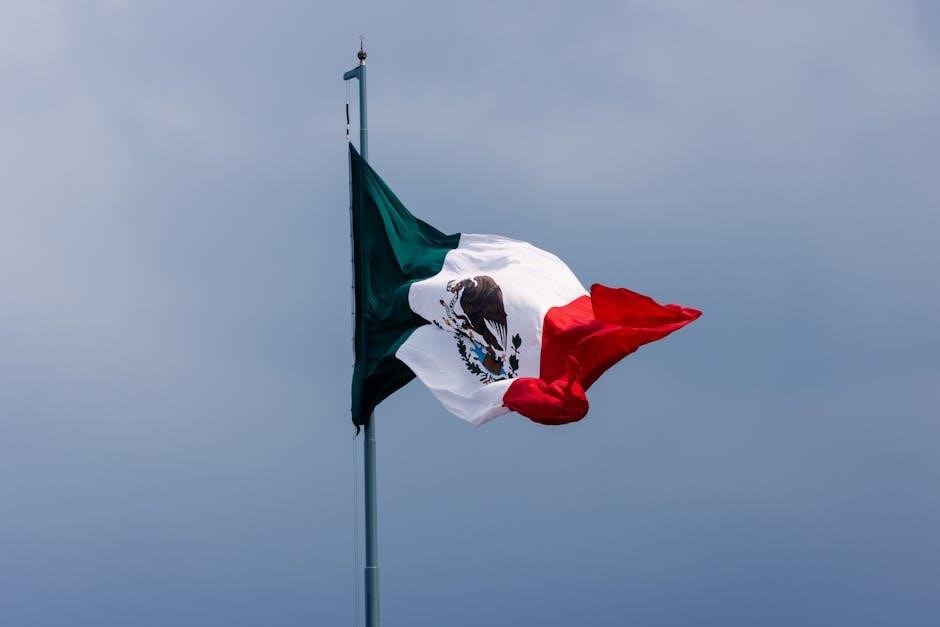
The United Arab Emirates (UAE) celebrates Flag Day on November 3rd, alongside National Day on December 2nd. Flag Day specifically honors the UAE flag and demonstrates loyalty to its leadership, uniting citizens in a display of national identity. These observances often involve flag-raising ceremonies and public displays.
While a universally recognized International Flag Day doesn’t exist, many nations have established their own dates to honor this vital symbol. These days serve as reminders of a country’s history, values, and aspirations, strengthening national bonds and promoting civic engagement.